



The Blessing of Your Zakat… Doubled
When you give your Zakat to Palestine, the blessing of fulfilling your sacred obligation is joined with the blessing of a land made holy around Al-Aqsa Mosque, where families are currently enduring extremely difficult circumstances

The eight categories of Zakat recipients are present in Palestine.


Advancing Zakat for Palestine Is
Urgent and Essential
Bringing forward the payment of Zakat for Palestine is both necessary and important. The Prophet Muhammad (peace and blessings be upon him) permitted Al-‘Abbas (may Allah be pleased with him) to pay his Zakat in advance. It was narrated from ‘Ali (may Allah be pleased with him) that the Prophet (peace be upon him) said to ‘Umar (may Allah be pleased with him):
'We have taken Al-‘Abbas’s Zakat in advance for the coming year.'
The majority of scholars have also held that it is permissible to advance Zakat payment from as little as one month up to more than two years ahead, when there is a clear benefit or pressing need.
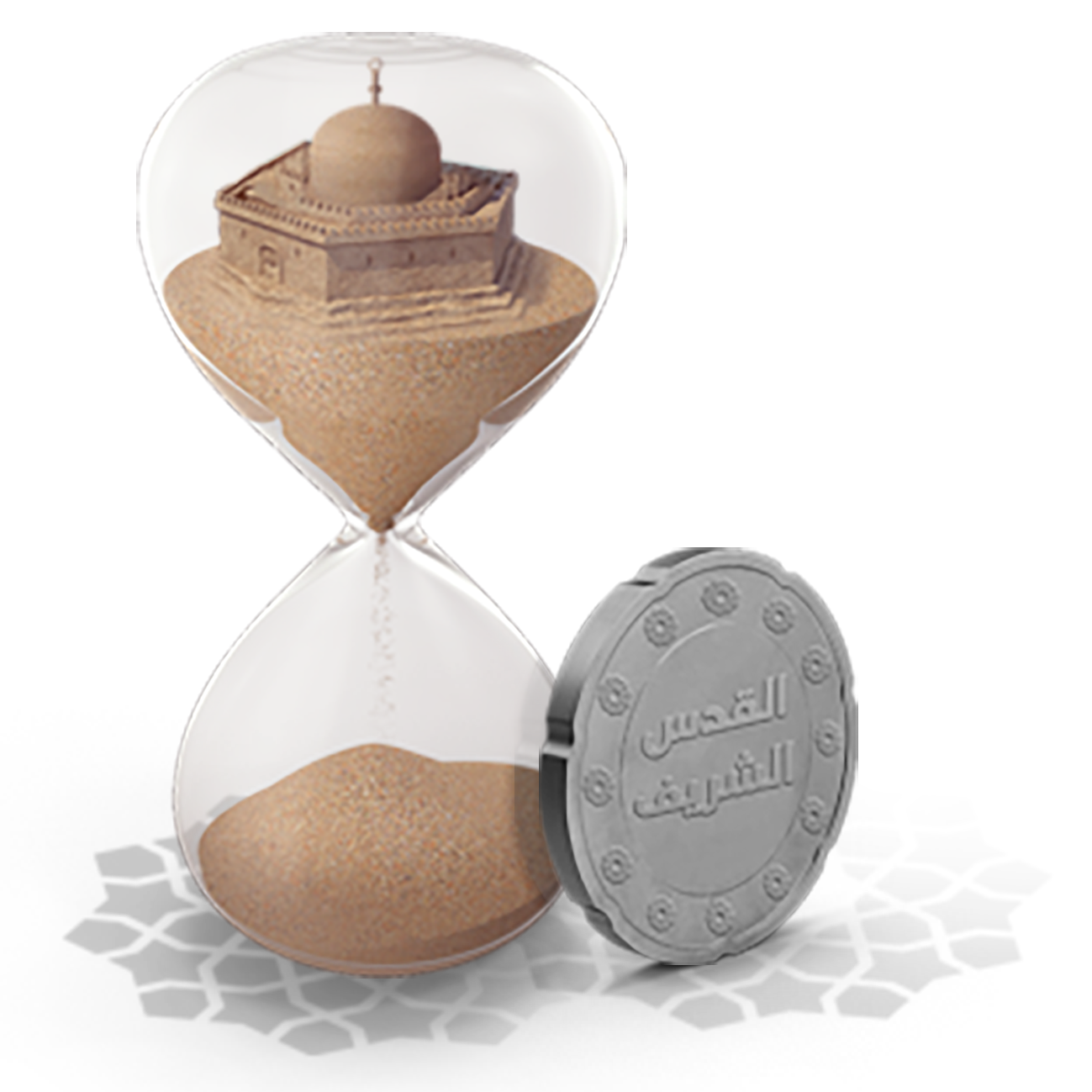
The Need of the People of Palestine
Surpasses All Others…
In this extraordinary year, as our responsibility toward the steadfast people of القدس (Jerusalem) has grown, we are working to support families, rebuild homes, sponsor orphans, care for the elderly, and fulfill our collective duty as an Ummah. This comes amid the siege of Al-Aqsa Mosque, the targeting of education and schoolchildren, the threat to safe homes, the loss of livelihoods, and the suffocation of daily life in its smallest details.
In Gaza—where suffering has surpassed all imagination—tens of thousands have endured injuries, hunger, illness, cold, loss, and the destruction of vital infrastructure, with nearly 61% of buildings damaged or destroyed. For months, its people have sacrificed their safety in defense of Al-Aqsa Mosque. Such sacrifice calls for a united response from the entire Muslim Ummah—each according to their ability and capacity.

The Need to Expedite Zakat for Palestine
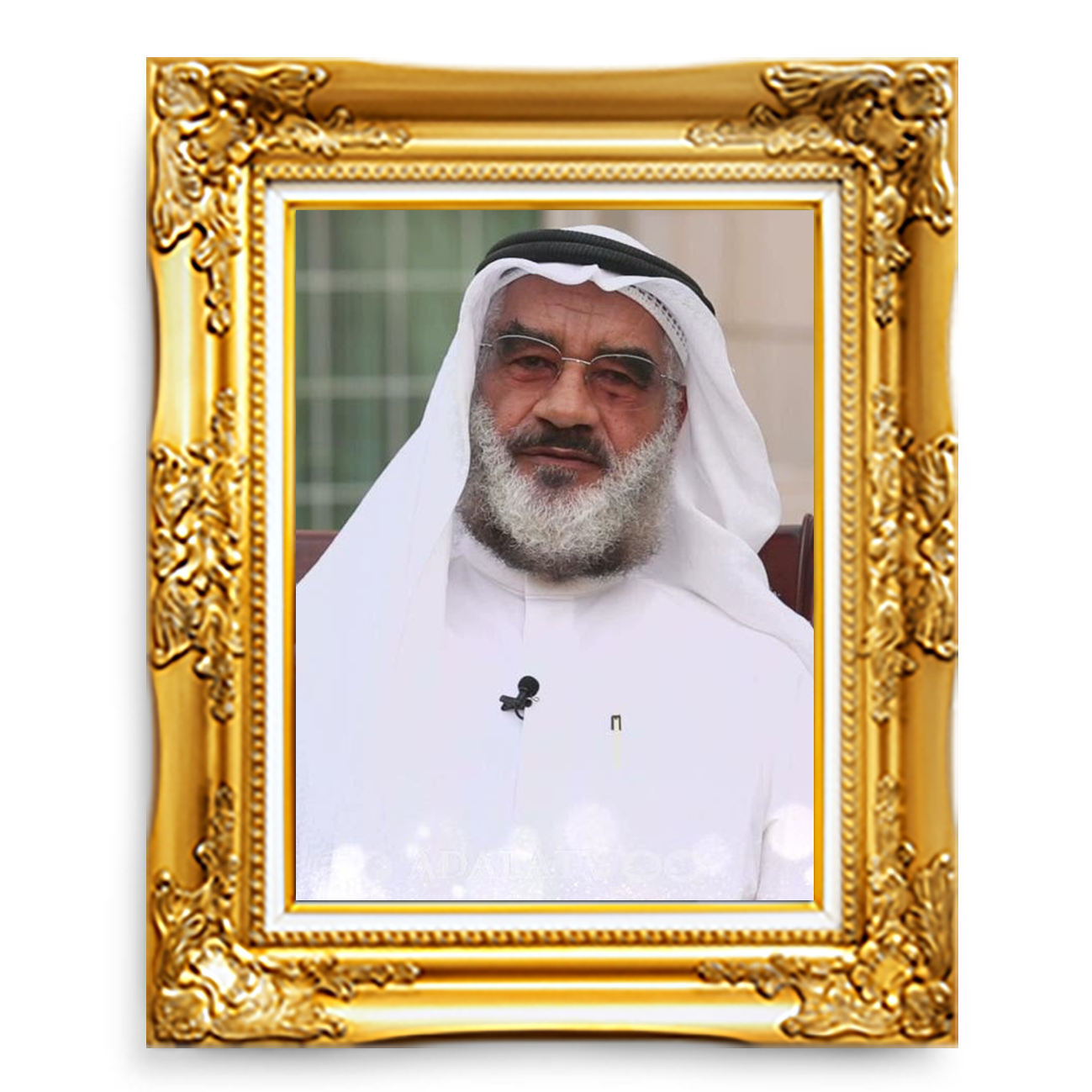
Professor Dr.Ajeel Al-Nashmi issued a religious ruling stressing the necessity of advancing zakat to the people of Palestine:
“Given their urgent needs at this time, they are undoubtedly deserving of Zakat, and it is even more appropriate to hasten paying it, as charitable organizations have affirmed, in order to fulfill these pressing and necessary obligations.”
Professor Dr.Ajeel Al-Nashmi